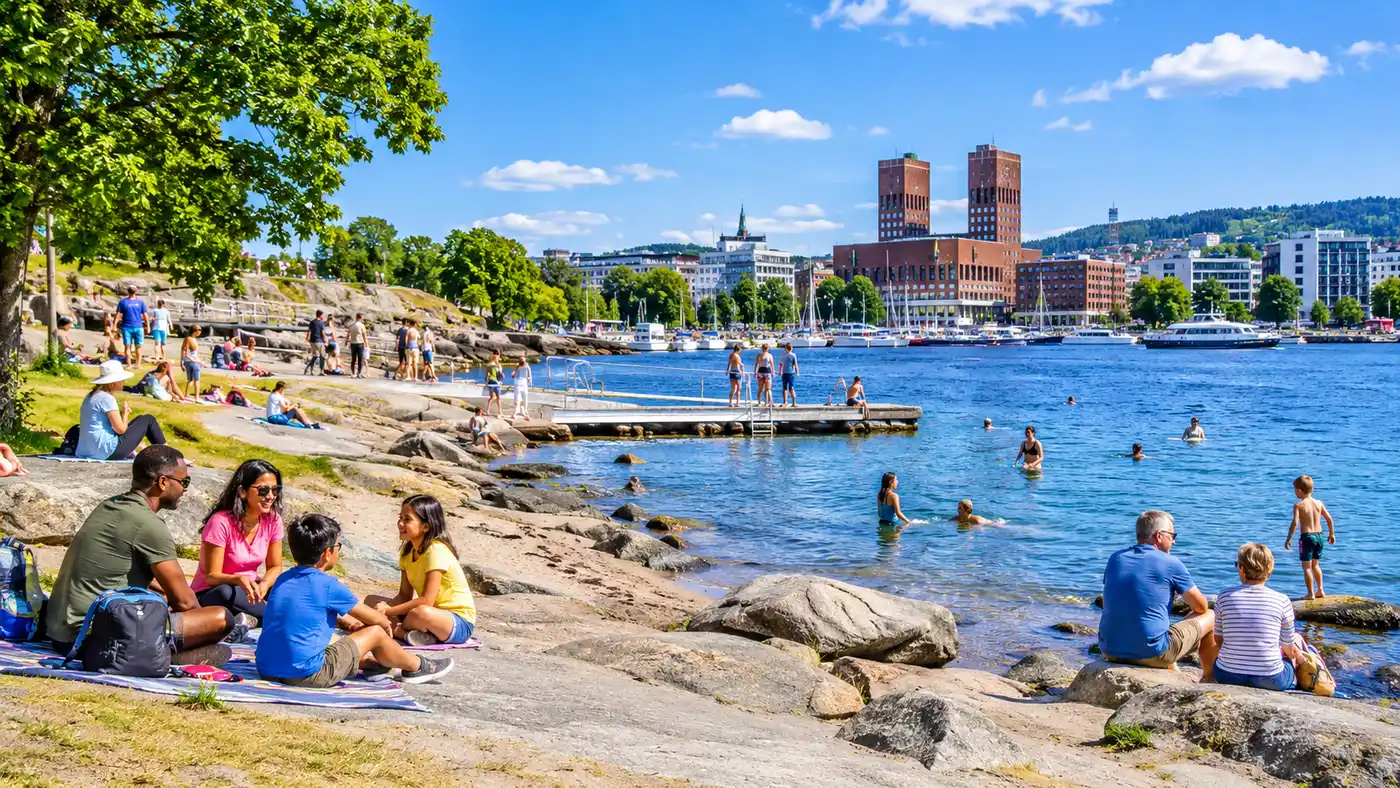
Best Beaches in Oslo: Island Swimming and Sunbathing Guide
Discover the best beaches in Oslo across the inner islands. From sandy shores at Langøyene to hidden coves on Hovedøya, …
Continue Reading →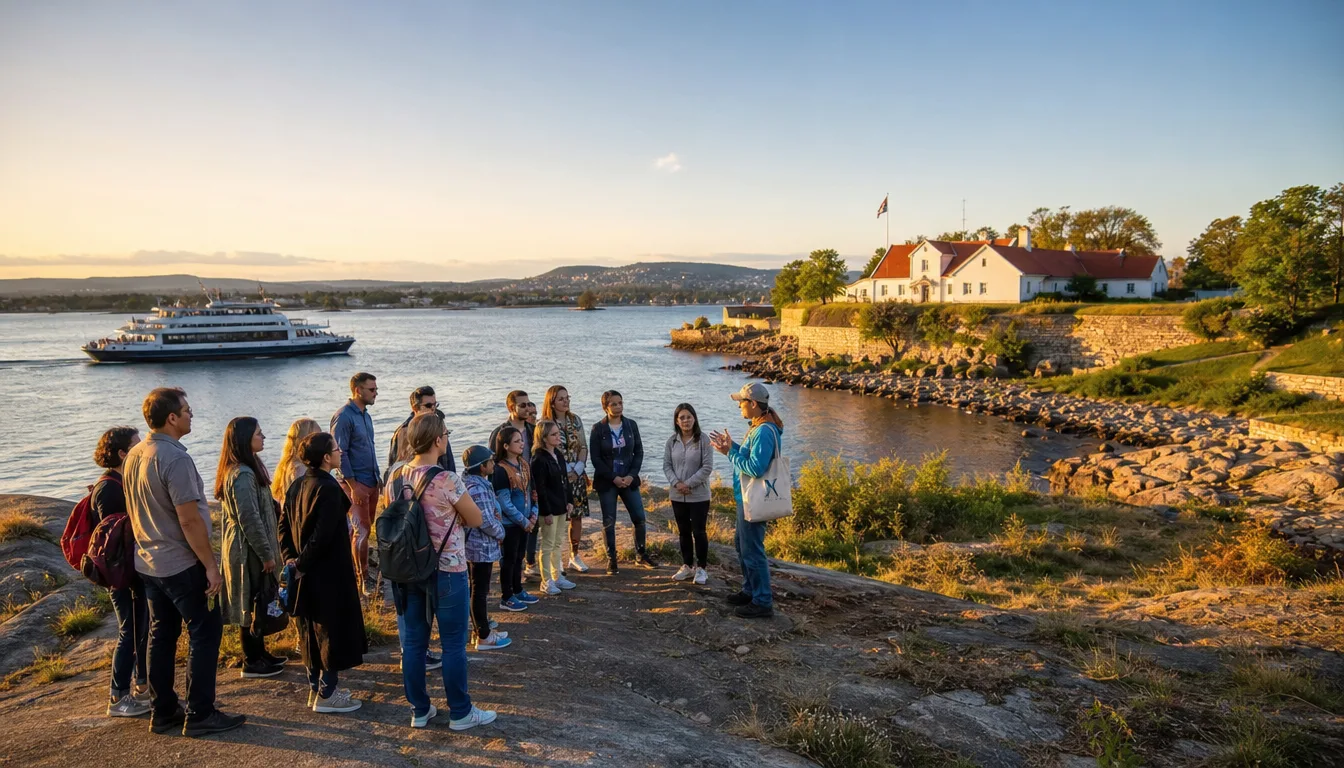
Step onto a public commuter ferry at Aker Brygge and reach pine forests, bathing coves, and painted wooden cabins in under twenty minutes.
Discover what makes oslo island hopping unforgettable.
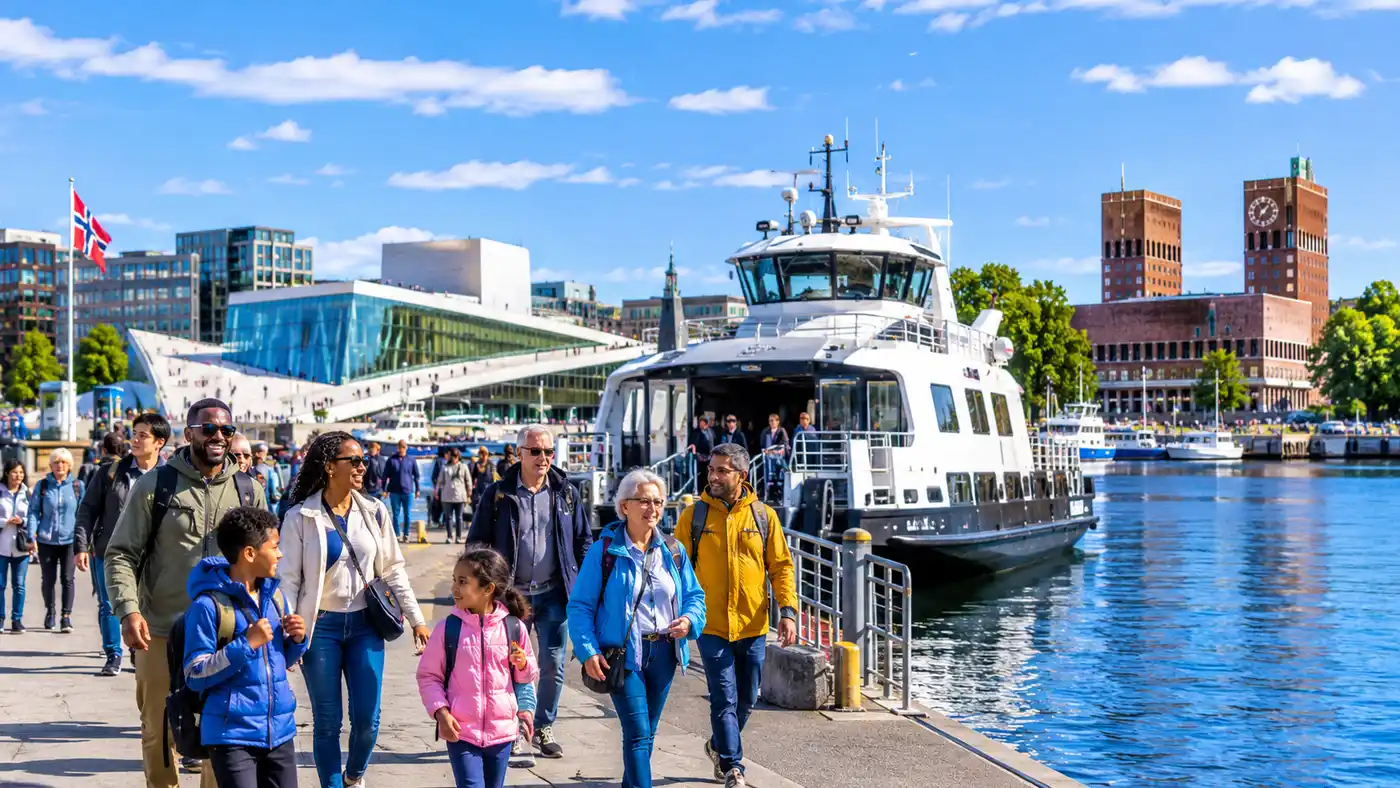
The B1 and B2 lines run like city buses on water, gliding between five islands all day. You board with standard Ruter passes and step off at timber wharves without special tour bookings.
Learn more →
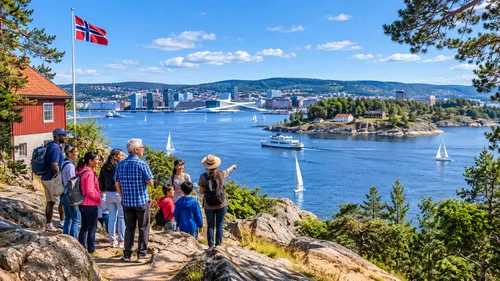
Dirt footpaths skirt nature reserves, wild lilacs, and rocky headlands on Hovedøya and Gressholmen. You can walk the full perimeter of an island in under an hour without crossing any paved roads.
Learn more →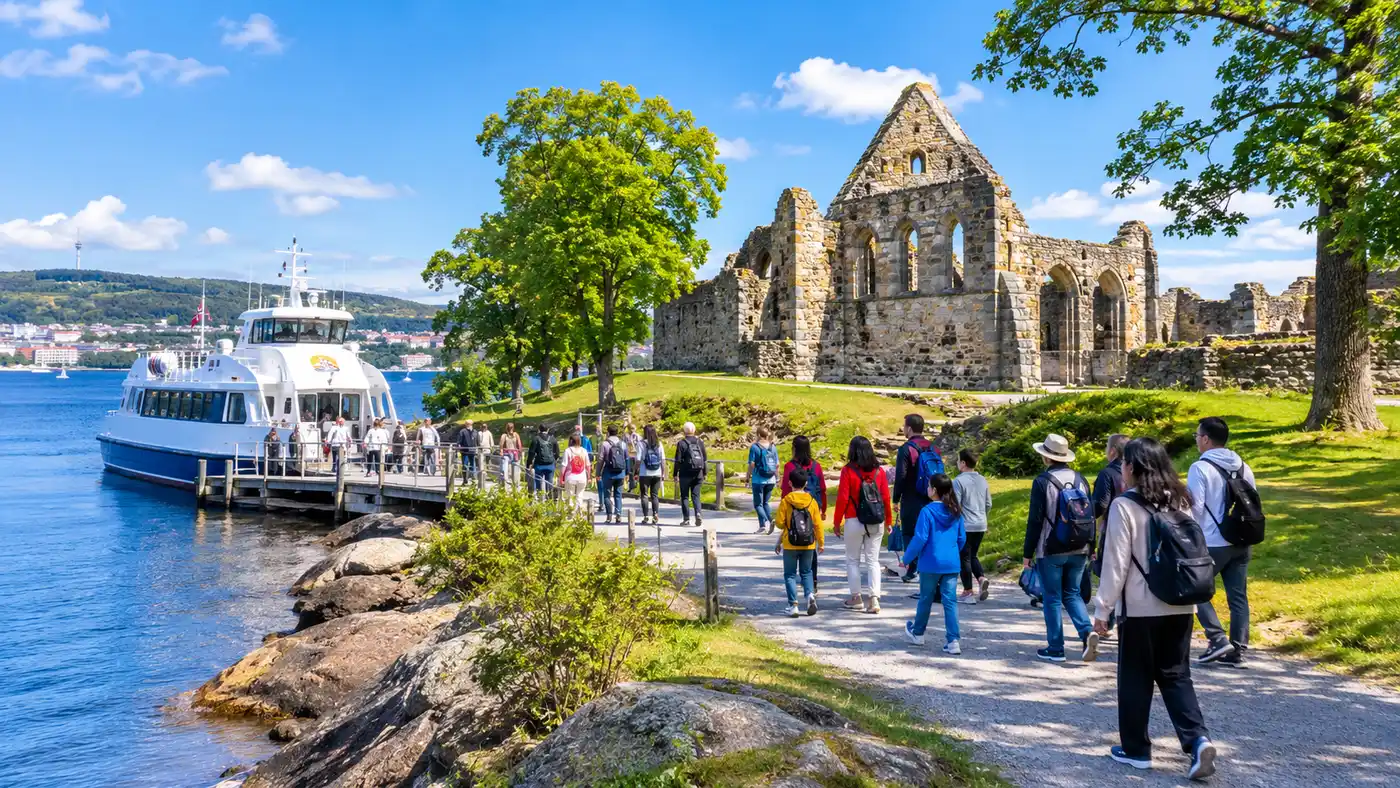
Lindøya and Nakholmen feature tiny 1920s summer cabins packed into neat, car-free lanes. Each garden displays manicured apple trees, climbing roses, and private flagpoles bearing Norwegian pennants.
Learn more →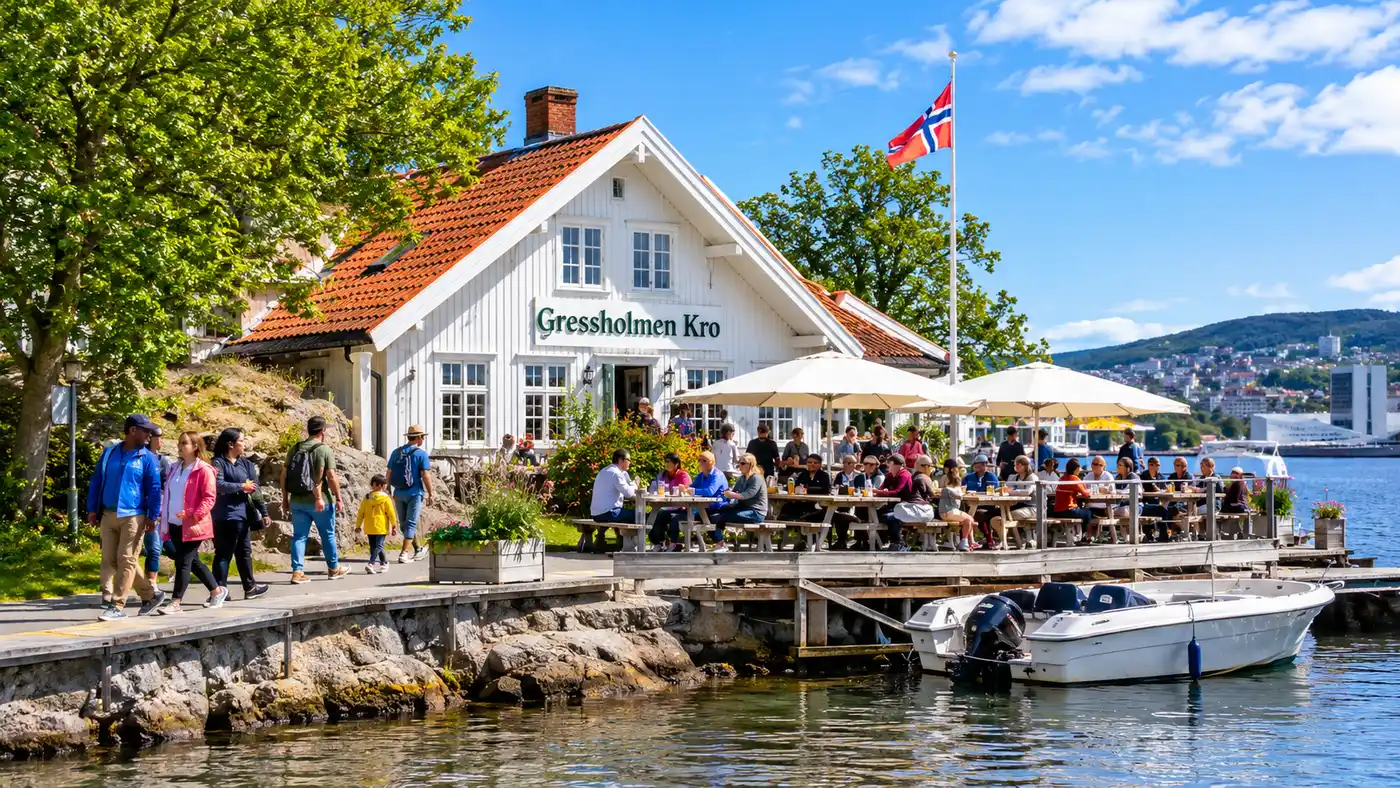
Gressholmen Kro serves cold local pilsner and steamed blue mussels under low wooden beams. Open seasons vary, so bringing your own picnic lunch remains a smart backup plan.
Learn more →What to expect from arrival to departure.
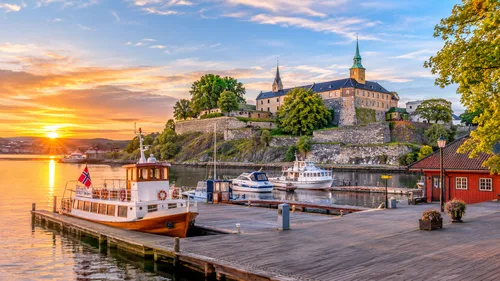
Activate a Zone 1 ticket on the Ruter app before stepping past the automated gates at Aker Brygge.
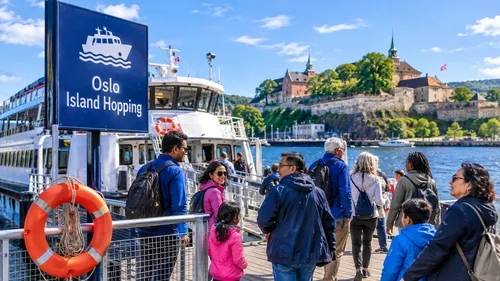
Board the electric ferry from Pier 3, heading to the upper open deck for clear views of the harbour.

Disembark at the first stop to walk through the monastery ruins and swim from the western gravel beach.
Catch the next ferry to Lindøya Vest, weaving through the tight paths lined with 300 summer cabins.
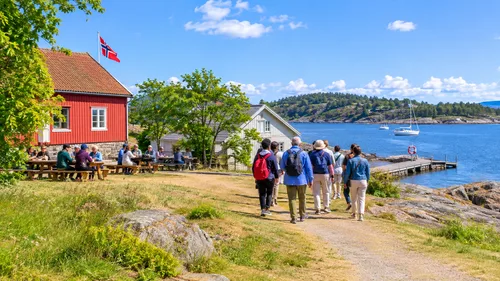
Sail across to Gressholmen for a trail hike to the old lighthouse and a drink at the rustic seasonal inn.
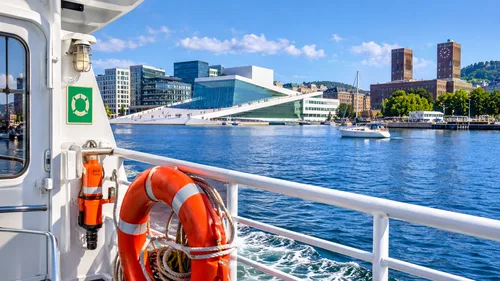
Flag the northbound ferry back to Aker Brygge as the evening sun dips behind the Bygdøy peninsula.
Ferries leave the wooden piers at Aker Brygge every half hour during peak summer, sliding out past Akershus Fortress toward the green specks of the inner fjord. The trip feels far removed from the city center, yet it runs on the ordinary public transit ticket. Hovedøya sits closest, its 12th-century Cistercian monastery ruins shaded by broadleaf elms and spruce. Further south, Lindøya and Nakholmen show off hundreds of red, yellow, and green summer cottages squeezed alongside narrow gravel paths.
Most travelers head out for relaxed Oslo nature walks, moving between forest paths and granite shorelines without needing an organized Oslo island hopping tour. Pack a canvas tote with flatbread, brown cheese, and a full water bottle, because shops on these islands are few and seasonal. The water is crisp well into July, but sheltered coves warm up enough for a quick plunge off smooth rock slabs.
Each Oslo island carries a distinct personality. Bleikøya has quiet bird sanctuaries, Gressholmen holds the historical remnants of Norway's first water airport, and Langøyene offers the fjord's only legitimate tent camping zone on a sandy spit. Whether you follow a loose island hopping Oslo itinerary or simply ride the B1 loop to watch the painted cabins slip past, the ferry network makes spending a morning or a full day on the water straightforward and cheap.
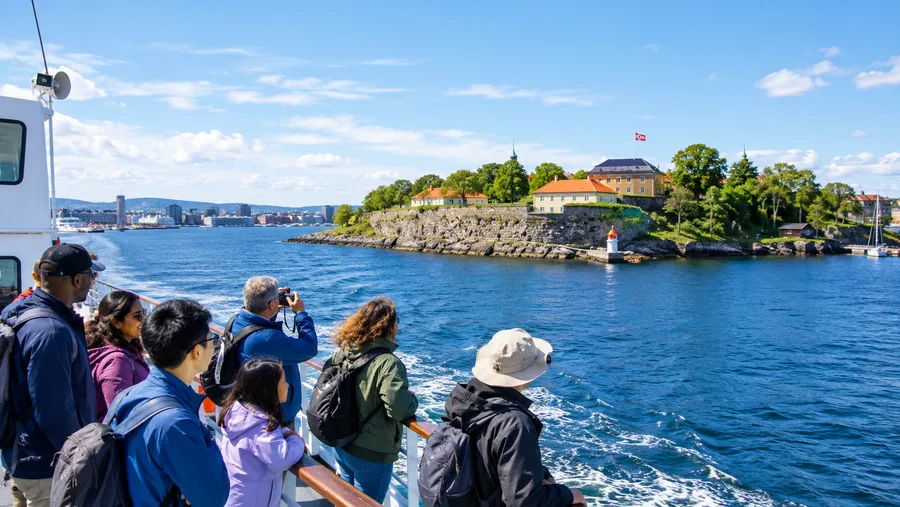
Taking the B1 ferry out to Hovedøya on our 24-hour transport pass cost almost nothing. The walk through the ruined cloister surrounded by lilacs was the best part of our Oslo trip.
Lindøya feels like a tiny village dropped in the sea. We spent two hours wandering between the yellow and red cottages, then sat on the dock with bakery buns.
Beautiful scenery and very quiet. Just remember to bring lunch, because the single cafe on Gressholmen was packed and had a 40-minute wait for food.
We hopped between three islands in four hours without any stress. The boats are electric, completely silent, and leave right on the minute.
Compare options and book directly below.
Good for a direct ride out to one island if you intend to stay there for most of the day.
Unlimited rides on all inner fjord ferries, city trams, subways, and buses for a full day.
Includes all public ferries plus free entry to 30 museums across the city.
Everything you need to know before visiting oslo island hopping.
Hours: Ferries operate daily year-round. In the peak summer season (roughly May/June to August/September), ferries run frequently from early morning (approx. 06:00–07:00) until late evening (approx. 22:00–23:30), with departures every 20–30 minutes. In winter, service operates on a reduced schedule with around 7–14 departures per day. Check current timetables via the Ruter app or ruter.no.
| Single Transit Ticket (Valid for 60 minutes) | 42 NOK |
| 24-Hour Pass (Zone 1 coverage) | 127 NOK |
| Oslo Pass (24-hour tourist card) | 520 NOK |
📍 Rådhusbrygge 4, 0160 Oslo, Norway
See it before you go.

Worth combining with your oslo island hopping visit.
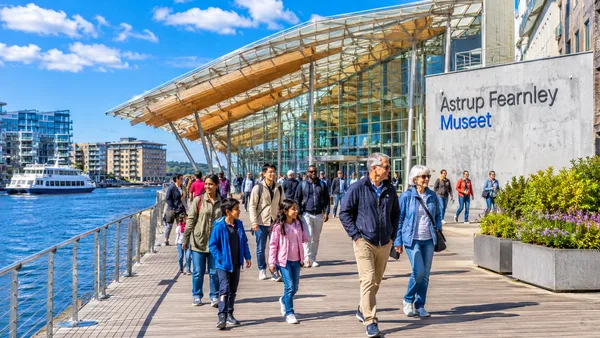
Contemporary art museum perched at the tip of the Tjuvholmen waterfront promenade.
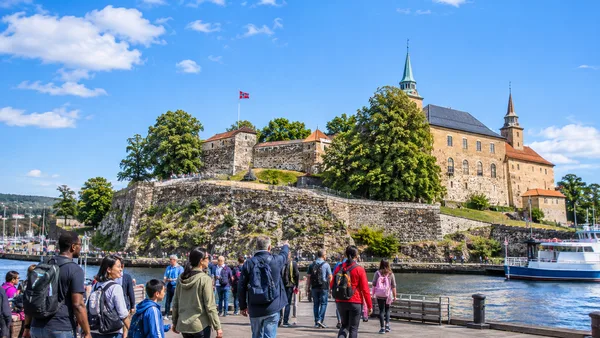
Medieval stone castle offering broad views across the harbour and the island ferry lanes.
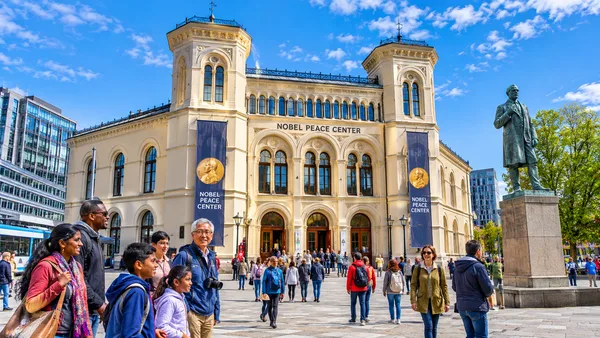
Museum in an old train station showcasing the work of global peace laureates.
Oslo Island Hopping welcomes all visitors with accessibility features and family-friendly amenities.
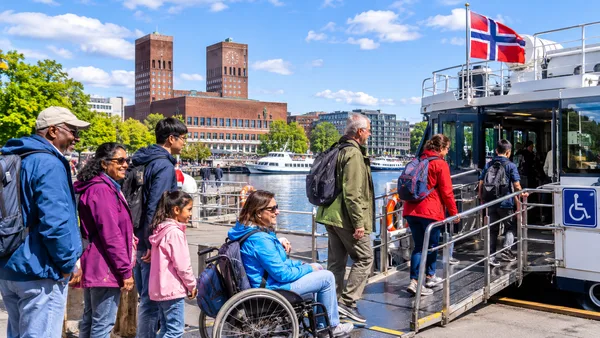
Ferries (lines B1 and B2) are equipped with boarding ramps and accommodate wheelchairs (up to 146 cm length, 75 cm width, and combined weight under 325 kg), though gangway inclines can become steep during low tide. Wheelchair users travel free on Ruter transport. However, the islands themselves consist primarily of unpaved, uneven, gravel, or rocky paths and are generally not adapted for wheelchair navigation.
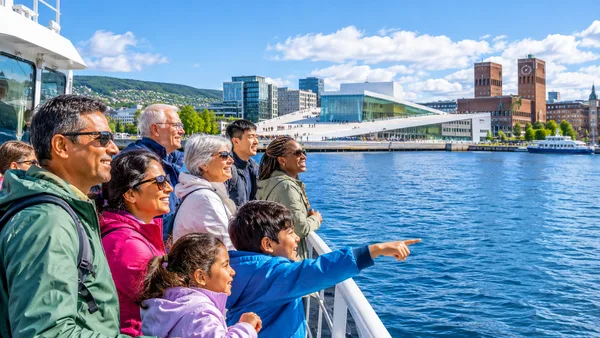
Prams and strollers are permitted on board free of charge as space allows. The islands are highly popular with families for nature walks, beaches, and picnicking, though visitors should bring necessary supplies as shops and facilities on the islands are limited outside of summer.
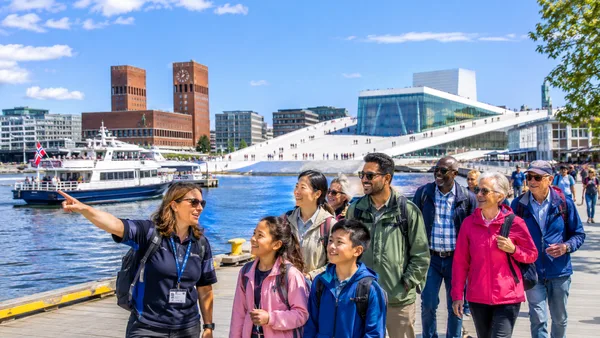
Ferries show digital stops in Norwegian and English, and crew members provide bilingual announcements at docks.
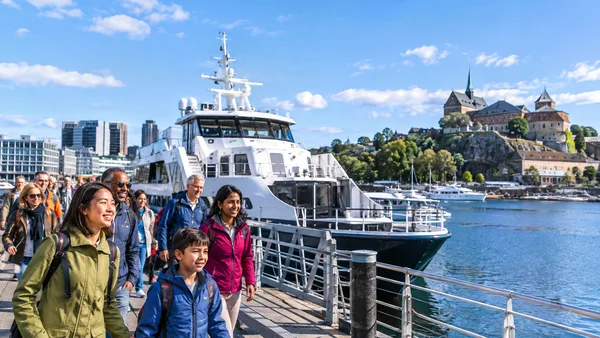
Boarding between the mainland pier (Rådhusbrygge 4) and the ferries is step-free via gangways onto the main deck. There are no motor vehicles or elevators on the islands; all travel on the islands is on foot via walking tracks, dirt paths, and stone trails.
Dive deeper into oslo island hopping.
Discover the best beaches in Oslo across the inner islands. From sandy shores at Langøyene to hidden coves on Hovedøya, …
Continue Reading →
Plan your trip with our complete Oslo ferry schedule guide. Find routes, seasonal timetables, ticket details, and tips …
Continue Reading →
Plan your trip to Gressholmen Kro in Oslo. Discover the historic seaplane tavern, seasonal menu highlights, summer …
Continue Reading →
Discover Hovedøya Island in Oslo: quick ferry details, 12th-century monastery ruins, swimming beaches, and practical …
Continue Reading →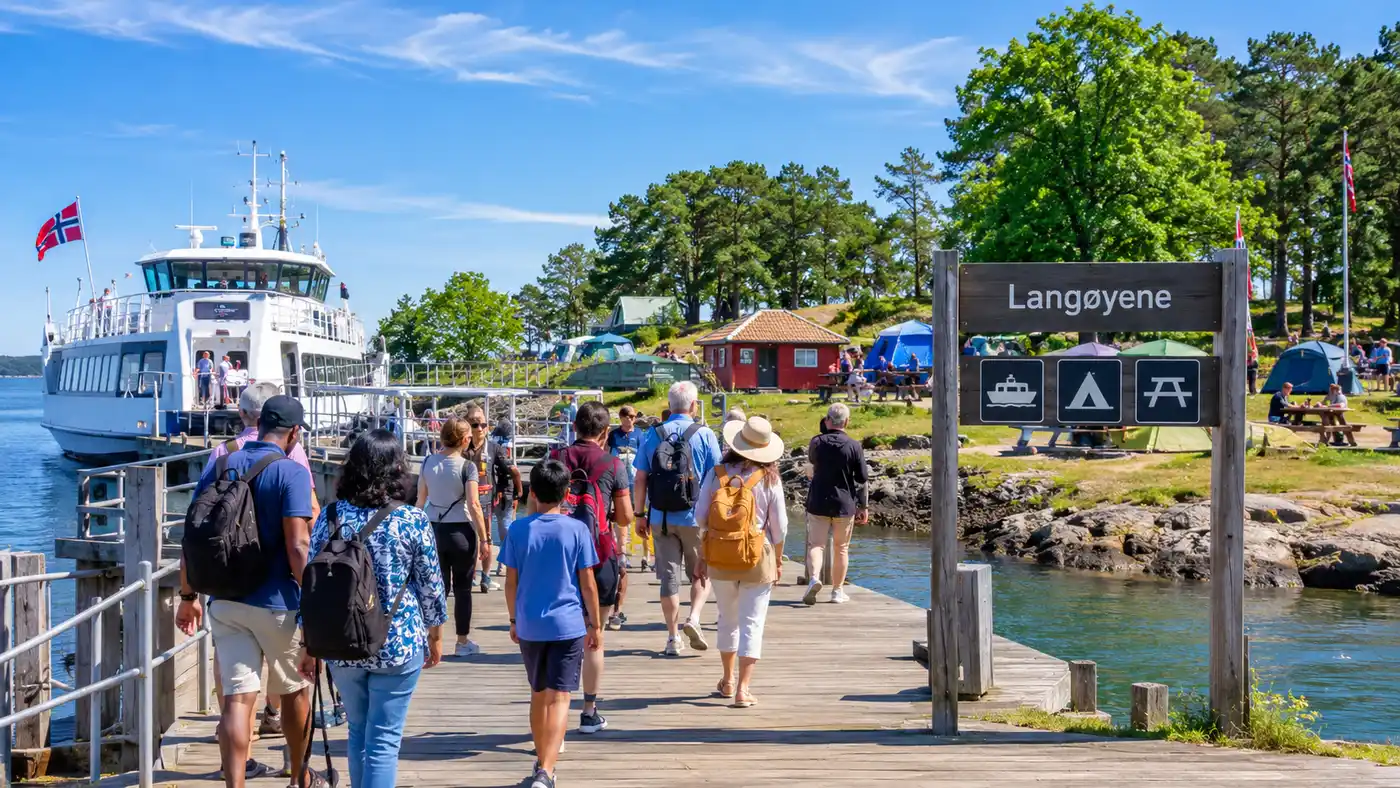
Plan your trip to Langøyene island in Oslo. Complete ferry guide, free camping rules, sandy beaches, visitor facilities, …
Continue Reading →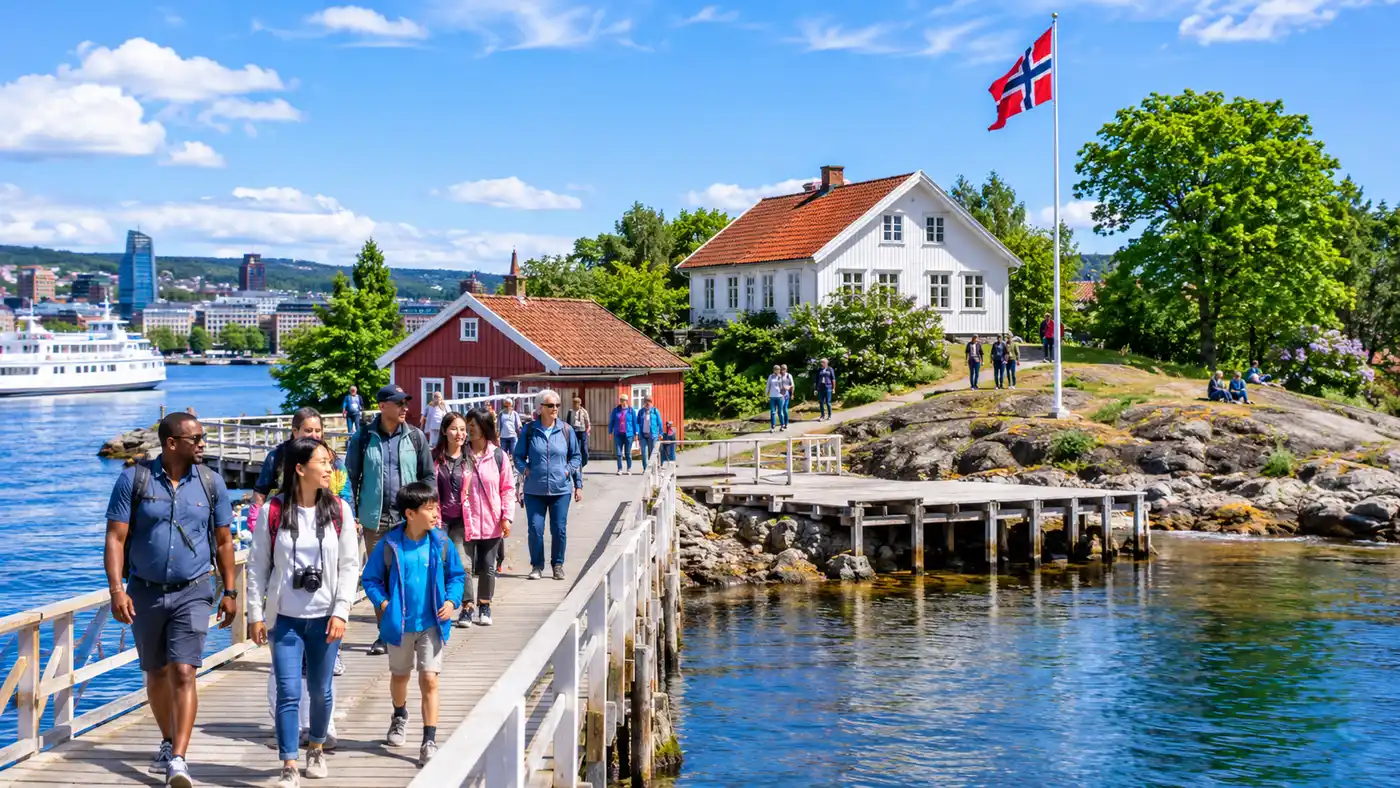
Plan your trip to Gressholmen Island in the Oslofjord. Ferry routes, seaplane history, scenic walking trails, swimming …
Continue Reading →Common questions about oslo island hopping.
Ferries use the regular Ruter public transport fare system. A standard Zone 1 single ticket costs 42 NOK and covers transfers within 60 minutes, while a 24-hour pass runs 127 NOK and allows you to hop between islands all day without buying extra vouchers.
No advance reservations exist for the public ferries. You buy a transit ticket through the Ruter app or at the quayside machines, queue on the wooden dock, and walk aboard until the boat reaches its passenger capacity.
The seasonal museum boat to Bygdøy is separate from the island network. The small Dronningen ferry departs from Pier 3 to reach the museum quarter, though you can also take the regular 30 bus on a standard Ruter ticket.
Travelers sometimes wonder if Oslo sits on Nord oder Ostsee waters. Geographically, the Oslofjord opens into the Skagerrak strait, which links the North Sea to the Kattegat and the Baltic, giving it tidal seawater and marine life.
Set aside four to five hours to visit two or three islands comfortably. That leaves enough time to walk the loop trails, inspect the stone ruins on Hovedøya, stop for a swim, and wait for connecting boats.
No direct ferry sails from Oslo to Reykjavik. The only passenger car ferry to Iceland operates from Hirtshals in northern Denmark aboard the Smyril Line, stopping in the Faroe Islands along the way.
Hovedøya, Gressholmen, and Lindøya have seasonal public dry toilets near their main piers. Drinking water taps are scarce and often turned off outside mid-summer, so bring two filled water bottles with you.
Dogs ride free on the ferries but must stay leashed on all islands due to sheep grazing and nesting birds. Bicycles and e-scooters are not permitted on the inner islands and cannot be brought past the ferry turnstiles.
Check live ferry schedules, packing checklists, and trail maps for all six inner islands before heading down to Pier 3.